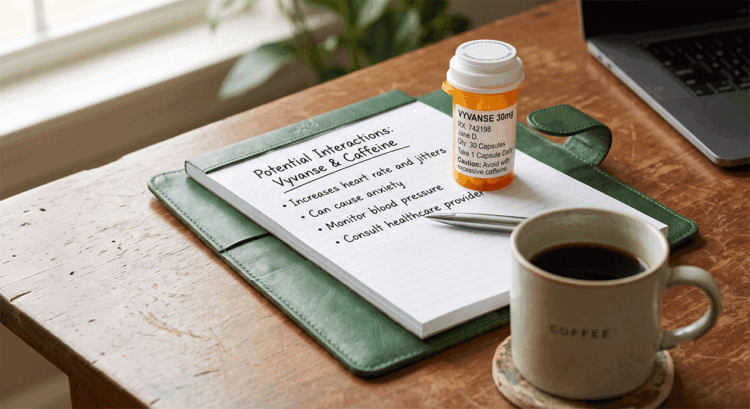
If you take Vyvanse and also enjoy coffee, you may wonder whether your morning cup of coffee is making your medication less effective.
The short answer is: there is no good evidence that coffee directly makes Vyvanse less effective. However, caffeine and Vyvanse are both stimulants, so taking them together can increase stimulant-related effects such as nervousness, jitters, a fast heartbeat, or increased blood pressure in some people.
That distinction matters. You may feel different after drinking coffee with Vyvanse without the medication actually becoming weaker.
Does Coffee Reduce the Effectiveness of Vyvanse?
Current prescribing information does not identify coffee or caffeine as something that reduces the effectiveness of Vyvanse.
Vyvanse contains lisdexamfetamine, which is converted in the body to dextroamphetamine. The FDA-approved prescribing information shows that food does not meaningfully change the overall exposure to dextroamphetamine from Vyvanse capsules, although eating can delay the time at which peak levels are reached.
Coffee itself has not been established as a substance that cancels out Vyvanse or prevents it from working.
However, caffeine can change how the combination feels.
For example, someone taking Vyvanse may normally feel focused and calm. Adding coffee could instead produce:
- Jitters or shakiness
- Nervousness
- Restlessness
- Irritability
- A racing or pounding heartbeat
- Difficulty sleeping
- Increased blood pressure
Caffeine and lisdexamfetamine can both increase heart rate and blood pressure, so their effects may be additive.
Why Can Vyvanse and Coffee Cause Jitters?
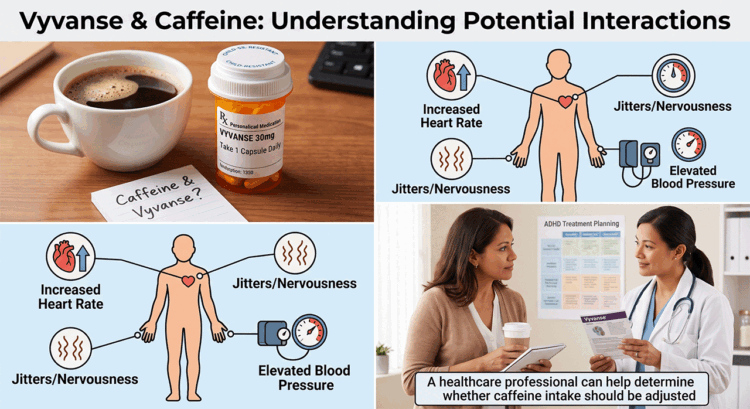
Vyvanse is a central nervous system stimulant. Caffeine is also a stimulant.
When they are used together, some people may experience more stimulation than they would from either substance alone.
This does not necessarily mean Vyvanse has stopped working. Instead, the additional caffeine may be producing side effects that make the overall experience less comfortable.
For example, a person might think:
“My Vyvanse isn’t working properly because I feel anxious and unfocused.”
But the problem may actually be excessive stimulation from combining the medication with caffeine.
Individual responses vary considerably, so one person’s morning coffee may be tolerated while another person’s coffee causes significant jitters.
Can Coffee Affect Your Heart When Taking Vyvanse?
This is one of the more important considerations.
Lisdexamfetamine can increase blood pressure and heart rate. Current prescribing information recommends monitoring blood pressure and pulse during treatment.
Caffeine can also increase cardiovascular stimulation. Drug-interaction references therefore recommend caution when caffeine and lisdexamfetamine are used together because the combination may increase the risk of tachycardia or elevated blood pressure.
This is particularly relevant for people who already have:
- High blood pressure
- Heart disease
- A history of abnormal heart rhythms
- Significant palpitations
- Other cardiovascular risk factors
Anyone with a cardiovascular condition should discuss caffeine use with their healthcare professional rather than assuming that coffee is automatically safe with Vyvanse.
Should You Stop Drinking Coffee When Taking Vyvanse?
Not necessarily.
There is no universal rule that everyone taking Vyvanse must completely avoid coffee. The more useful question is how your body responds to the combination and what your prescriber recommends.
If you regularly drink coffee and recently started Vyvanse, pay attention to changes such as:
- Increased anxiety
- New or stronger jitters
- Shaking
- Faster heartbeat
- Palpitations
- Headaches
- Trouble sleeping
- Feeling unusually restless
If these symptoms appear after combining coffee with Vyvanse, reducing caffeine or discussing your caffeine intake with your prescriber may be appropriate.
Do not change your prescribed Vyvanse dose simply because coffee seems to change its effects.
Coffee vs. Vyvanse: What Is Actually Happening?
| Concern | What may happen |
|---|---|
| Vyvanse effectiveness | Coffee has not been established to directly reduce it |
| Energy/stimulation | May feel stronger when caffeine is added |
| Jitters | May become more noticeable |
| Heart rate | May increase |
| Blood pressure | May increase |
| Sleep | Caffeine may make insomnia more likely |
| Anxiety/restlessness | May become worse in sensitive individuals |
The important point is that stronger stimulant effects are not the same thing as stronger ADHD treatment.
More stimulation does not necessarily mean better concentration or better symptom control.
What If Vyvanse Seems Less Effective After Coffee?
If you consistently feel that Vyvanse works differently after drinking coffee, keep track of the pattern.
For several days, note:
- What time you take Vyvanse.
- What time you drink coffee.
- How much caffeine you consume.
- When you begin noticing changes.
- Whether you experience jitters, anxiety, palpitations, or sleep problems.
- How well your ADHD symptoms are controlled.
This information can help your healthcare professional determine whether caffeine is contributing to the problem.
Do not compensate by taking extra Vyvanse unless your prescriber specifically instructs you to do so.
What About Children and Teenagers?

Parents and caregivers should be especially cautious about adding caffeine to a child’s or teenager’s stimulant medication routine.
Vyvanse is approved for certain pediatric patients with ADHD, and its prescribing information includes monitoring requirements for blood pressure, heart rate, appetite, weight, and other possible adverse effects.
Research on caffeine itself also does not establish it as an effective treatment for ADHD in children. A systematic review and meta-analysis of randomized trials found no significant overall benefit of caffeine over placebo for ADHD symptoms in children.
If a child taking Vyvanse regularly consumes coffee, energy drinks, caffeinated soda, or other caffeine-containing products, it is worth discussing that caffeine intake with the child’s paediatrician or prescribing clinician.
When Should You Seek Medical Advice?
Contact your healthcare professional if you repeatedly experience significant side effects after combining caffeine with Vyvanse.
Seek urgent medical attention for serious symptoms such as chest pain, fainting, severe shortness of breath, or a severe or persistent racing/pounding heartbeat.
Lisdexamfetamine prescribing information specifically warns about cardiovascular risks and recommends evaluation for concerning cardiovascular symptoms.
Frequently Asked Questions
Does coffee make Vyvanse less effective?
There is no good evidence that coffee directly makes Vyvanse less effective. However, caffeine may increase stimulant-related side effects and change how the medication feels.
Can I drink coffee while taking Vyvanse?
Some people may tolerate caffeine while taking Vyvanse, but the combination can increase stimulation, heart rate, blood pressure, nervousness, or jitters. If you are unsure about your own situation, ask your prescriber or pharmacist.
Can caffeine make Vyvanse feel stronger?
It can make the overall stimulant effects feel stronger because both caffeine and Vyvanse have stimulant properties. This does not necessarily mean that Vyvanse’s therapeutic effect has increased.
Does caffeine cause Vyvanse jitters?
Caffeine may contribute to or worsen jitters when combined with Vyvanse, particularly in people who are sensitive to stimulants. The combination can increase nervousness and tachycardia in some individuals.
Can Vyvanse and coffee increase heart rate?
Yes. Vyvanse can increase heart rate, and caffeine can also have cardiovascular stimulant effects. Combining them may increase the likelihood of a faster heartbeat in some people.
Should I avoid coffee completely with Vyvanse?
Not everyone needs to avoid coffee completely. The appropriate amount of caffeine depends on the individual’s response, medical history, and advice from their healthcare professional.
Does coffee interfere with Vyvanse absorption?
Coffee has not been established as something that prevents Vyvanse from being absorbed or makes the medication ineffective. Vyvanse’s absorption and conversion are different from some stimulant formulations that are more affected by gastrointestinal pH.
Is caffeine safe for a child taking Vyvanse?
Parents should discuss caffeine consumption with the child’s healthcare professional. Children and teenagers taking stimulant medication may be more vulnerable to unwanted stimulation, and caffeine has not been established as an effective ADHD treatment.
Bottom Line
Coffee does not appear to directly make Vyvanse less effective, but caffeine can make the overall stimulant effects stronger. For some people, that may mean more jitters, nervousness, increased heart rate, higher blood pressure, or sleep problems.
If you take Vyvanse and notice that coffee consistently makes you feel uncomfortable, talk with your prescriber or pharmacist about your caffeine intake rather than changing your medication dose yourself.